+

For many UK importers, purchasing products from multiple suppliers in China is an effective way to expand product selections, reduce sourcing risks and find competitive manufacturing options. However, managing shipments from several factories can quickly become complicated. Different production schedules, separate packaging standards and multiple export documents can increase logistics workload and create unexpected costs.
This is why shipping goods from China to UK often requires more than simply booking transportation. Multi-supplier consolidation provides a practical solution by collecting goods from different suppliers at a China warehouse, completing necessary preparation and shipping them together as one organized shipment.
For businesses that regularly purchase from different manufacturers, understanding how consolidation works can help reduce freight expenses, simplify customs procedures and improve supply chain control. Whether importing retail products, machinery parts or packaging materials, a professional logistics process can make shipping products from China to UK more efficient and predictable.
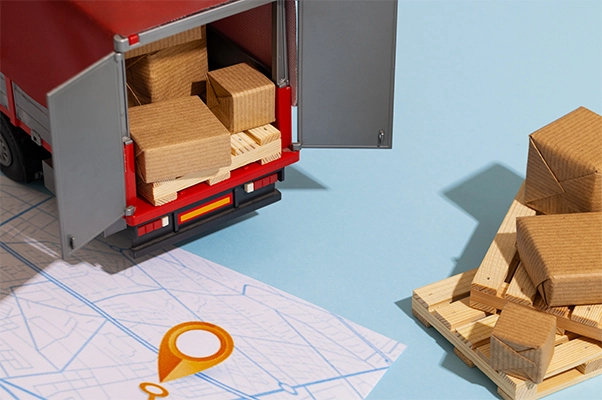
Multi-supplier consolidation is a logistics service that combines products from multiple Chinese suppliers into one shipment before exporting to the UK.
Instead of arranging separate transportation for each factory, suppliers deliver goods to a centralized warehouse in China. The warehouse then receives, checks and prepares the cargo before arranging international shipping.
This approach is especially useful for importers who source different products from different factories. For example, an online retailer may purchase accessories from one supplier, packaging materials from another and finished products from a third manufacturer. Rather than managing three separate shipments, all goods can be consolidated into one transportation plan.
The main value of consolidation is better control over the entire shipping process. Importers can manage cargo inspection, packaging adjustments, export documentation and transportation through one coordinated system.
For companies handling shipping items from China to UK, consolidation also reduces communication pressure because the logistics provider becomes the connection point between multiple suppliers and the final destination.
Multi-supplier consolidation does not simply reduce freight costs by combining cargo. Its biggest advantage is reducing repeated logistics operations.
When every supplier ships independently, importers may need to pay separate handling charges, documentation fees and customs-related costs. Consolidation allows these expenses to be combined into one shipment plan.
This solution is often beneficial when:
Products are purchased from several suppliers but each order is relatively small.
Cargo volume is not enough for a full container.
Importers want to inspect products before international shipping.
Different products need unified packaging or labeling.
For example, a company importing furniture accessories, hardware components and retail packaging may receive goods from three different factories. Shipping each order separately could create higher transportation expenses and complicated arrival schedules. Consolidating these shipments at a China warehouse can improve efficiency.
However, consolidation should always be evaluated based on total landed cost. In some cases, a direct full-container shipment may become more economical when cargo volume increases.
A successful consolidation process requires coordination between suppliers, warehouse teams and international carriers.
The typical workflow includes:
Supplier Pickup and Cargo Collection
The logistics provider arranges transportation from different supplier locations to a consolidation warehouse. This allows multiple factories to send goods according to their own production schedules.
Warehouse Receiving and Quantity Verification
When cargo arrives, warehouse staff check product quantities, carton conditions and shipment information. This step helps identify missing items or packaging problems before export.
Cargo Preparation and Consolidation
Products from different suppliers are organized into a unified shipment. Depending on requirements, the warehouse may adjust packaging, combine cartons or prepare pallets to improve loading efficiency.
Documentation and Export Arrangement
After all goods are ready, shipping documents are reviewed and prepared. The consolidated cargo can then be arranged for international transportation through LCL or FCL services.
The complete process can be summarized as:
| Process Stage | Main Activity | Purpose |
|---|---|---|
| Supplier collection | Pick up goods from factories | Centralize different supplier orders |
| Warehouse receiving | Check quantity and condition | Prevent shipment errors |
| Consolidation preparation | Combine and organize cargo | Improve transport efficiency |
| Documentation | Prepare export paperwork | Support customs clearance |
| International shipping | LCL or FCL transportation | Deliver goods to the UK |
One of the biggest challenges in multi-supplier logistics is that suppliers rarely complete production at exactly the same time.
A factory producing packaging materials may finish within a week, while another supplier producing mechanical components may need several weeks. If early-arriving goods are stored too long, additional warehouse costs may occur.
Effective coordination requires a clear shipment schedule that considers production completion, warehouse receiving dates and final loading time.
A reliable freight forwarder China to UK can communicate with suppliers, monitor cargo progress and help organize pickup arrangements. This reduces delays caused by incomplete shipments or missing products.
For businesses using LCL shipping from China to UK, accurate timing is particularly important because all supplier cargo must arrive before the consolidation shipment can depart.
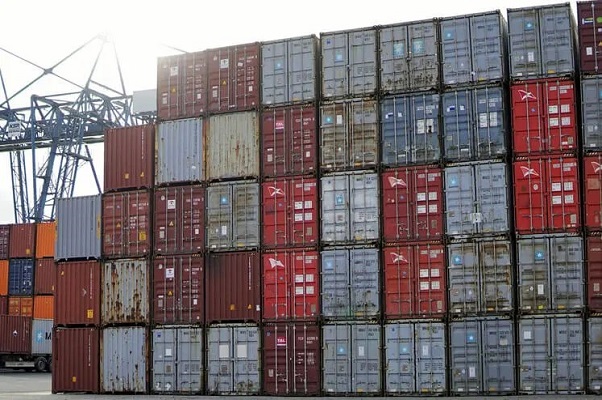
When multiple supplier orders are combined, choosing between LCL and FCL depends on cargo volume, cost structure and delivery requirements.
| Comparison Factor | LCL Consolidation | FCL Shipment |
|---|---|---|
| Suitable Cargo Volume | Small to medium combined shipments | Large volume shipments |
| Container Usage | Shared container space | Dedicated container |
| Cost Advantage | Lower initial cost for smaller cargo | Better unit cost for large volumes |
| Handling Process | More consolidation procedures | Fewer handling points |
| Best Application | Multiple suppliers with limited volume | Regular large-scale imports |
LCL is often the preferred option for businesses collecting products from several factories because it allows different supplier orders to share container space.
However, when combined shipments become large enough, FCL may provide better value. Although the upfront transportation cost is higher, the cost per product unit can decrease because the entire container is dedicated to one importer.
The right choice depends on shipment frequency, product value and overall logistics requirements rather than freight price alone.
Documentation becomes more complex when products come from different manufacturers because each supplier may provide separate invoices, packing details and product information.
Before shipment, importers should ensure that all documentation is properly organized. This includes confirming product descriptions, quantities and customs classification information.
Different products may require different HS codes, and incorrect declarations can cause customs delays or additional inspections.
For example, a shipment containing electronic parts, plastic products and machinery accessories may require separate classification information even if all goods are transported together.
Working with an experienced logistics provider helps ensure that supplier documents are combined correctly and that customs requirements are properly addressed.
A major advantage of consolidation is that the warehouse can provide additional preparation services before export.
For example, a UK importer purchasing products from several factories may receive cartons with different labels, packaging styles and pallet arrangements. Before shipping, the warehouse can standardize these differences.
Common preparation activities include:
Checking product quantity and packaging condition.
Replacing damaged cartons.
Adding customer-required labels.
Combining products into organized pallets.
These services are particularly valuable for businesses selling through warehouses or distribution networks because consistent packaging makes receiving and inventory management easier.
Instead of receiving multiple supplier shipments with different standards, importers receive one organized shipment ready for distribution.
Although consolidation improves efficiency, poor planning can create problems.
The most common challenges include:
Supplier delays: If one supplier delivers late, the entire shipment schedule may be affected.
Storage costs: Goods arriving too early may create additional warehouse charges.
Incorrect information: Missing product details or incorrect documents can delay customs clearance.
Packaging differences: Inconsistent cartons or labels may increase warehouse preparation time.
The best way to prevent these issues is early communication. Importers should confirm supplier schedules, provide clear warehouse instructions and work with logistics providers experienced in multi-supplier shipments.
To receive an accurate quotation, importers should provide complete shipment information.
| Required Information | Why It Matters |
|---|---|
| Supplier locations in China | Determines pickup arrangements |
| Product descriptions | Helps evaluate shipping requirements |
| Carton quantity and dimensions | Calculates shipment volume |
| Total weight | Affects transportation cost |
| Delivery location in the UK | Determines final delivery method |
| Required timeline | Helps select suitable shipping options |
Providing detailed information allows logistics providers to recommend the most suitable transportation method, whether it involves LCL, FCL or other solutions.
For companies planning freight shipping from China to UK, a complete quotation should include not only transportation costs but also warehouse services, customs support and final delivery arrangements.
Multi-supplier consolidation combines goods from different Chinese suppliers into one shipment through a centralized warehouse before export.
In many situations, yes. Consolidation can reduce repeated handling charges and improve transportation efficiency, especially for smaller shipments.
Yes. Different products can usually be combined, but each product must be correctly documented and declared for customs purposes.
LCL is usually better for smaller combined shipments, while FCL becomes more attractive when cargo volume is large enough to fill a container.