+

For importers moving larger cargo volumes, FCL Shanghai shipping offers a practical way to reserve an entire container for one shipment. However, arranging an FCL shipment involves much more than selecting a vessel and checking the ocean freight rate. Container size, Shanghai origin charges, documentation, VGM requirements and port cut-off times can all influence the final cost and departure schedule.
A successful FCL China shipment starts with accurate cargo information and proper booking preparation. Understanding how FCL shipping from China works can help importers reduce missed sailings, unexpected fees and unnecessary operational delays.
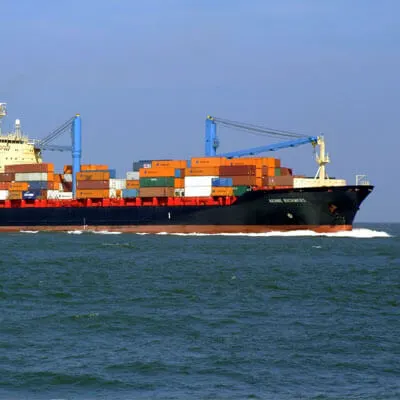
FCL shipping from Shanghai means reserving a complete container for one shipper's cargo and managing it through the export and international ocean transportation process.
Unlike LCL shipments, FCL cargo does not share container space with unrelated shipments. This generally provides greater control over loading and reduces consolidation procedures. Businesses can explore GOWIN's FCL freight services when arranging full-container shipments from China.
A typical FCL Shanghai shipment may involve empty-container pickup, factory loading, trucking to the terminal, export customs declaration, terminal handling, documentation, ocean transportation and destination services.
The exact responsibility for these costs also depends on the agreed trade term. The official Incoterms® rules define 11 international trade terms and explain how transportation responsibilities, costs and risks are divided between sellers and buyers.
For this reason, buyers should confirm exactly where an FCL quotation starts and ends rather than comparing only the headline freight rate.
Container selection means matching cargo volume, weight and dimensions with the most suitable equipment rather than automatically choosing the largest available container.
A standard 20-foot container is approximately 6.06 m long, while a standard 40-foot container is about 12.19 m long. Standard containers are approximately 2.59 m high, while high-cube containers increase the external height to around 2.90 m. Buyers can refer to international freight container guidance when reviewing container characteristics.
| Container | Best Suited For | Main Consideration |
|---|---|---|
| 20GP | Dense or heavy cargo | Lower volume, high weight |
| 40GP | General cargo | Larger standard volume |
| 40HQ | Bulky lightweight cargo | Additional vertical space |
A 20 ft FCL is often suitable for machinery, metal parts and other dense products because weight may become the limiting factor before the container is physically full. A 40HQ is generally more appropriate for bulky but relatively lightweight goods such as furniture, textiles and large cartons.
If cargo volume is too small to justify an entire container, comparing FCL or LCL before booking can help avoid paying for unnecessary container space.
An FCL Shanghai quotation combines the main ocean freight rate with origin, documentation and handling costs required to move the shipment from the agreed starting point.
The ocean FCL rate varies according to container size, destination port, carrier, sailing schedule, vessel capacity and market conditions. Shanghai-side costs may additionally include factory trucking, export customs declaration, terminal handling and documentation fees.
Special cargo can create additional expenses. Dangerous goods, overweight cargo, customs inspections, truck waiting time or special equipment requirements may all change the final price.
When requesting ocean freight, buyers should therefore confirm whether the quotation covers port-to-port, CY-to-CY or door-to-door transportation.
Incoterms also affect the cost structure. For example, an EXW shipment may require the forwarder to arrange pickup directly from the supplier, while FOB normally places more origin-side responsibilities on the exporter. Comparing two FCL freight quotations without confirming the same service scope may therefore give an inaccurate result.
Shipping cut-offs are operational deadlines that determine when documents, verified container weight, customs procedures and the loaded container must be completed before vessel departure.
The Shipping Instruction contains information used to prepare the bill of lading, including shipper, consignee, cargo description and container details. Late or incorrect SI information may create documentation delays or amendment fees.
Verified Gross Mass is the confirmed gross weight of a packed container. Under SOLAS requirements, a packed container generally cannot be loaded onto a vessel without a verified weight. The IMO Verified Gross Mass requirements explain the approved verification methods and shipper responsibilities.
The CY cut-off is normally the deadline for delivering the loaded container into the designated container yard. The customs cut-off refers to the deadline for completing the required export customs procedures.
These deadlines vary by carrier, terminal and vessel. For every FCL Shanghai booking, the actual booking confirmation should therefore be checked carefully instead of relying on a general cut-off time.
Common FCL booking problems usually occur when the actual cargo, documentation or loading schedule differs from the information originally provided to the freight forwarder.
Several issues frequently increase the cost of full container load shipping from China:
Cargo details change after booking. Changes in weight, commodity type or container requirements may require booking amendments.
The container misses a cut-off. Factory loading delays, trucking problems, customs issues or missing VGM information may result in a missed sailing.
The wrong container is selected. An inaccurate loading calculation can force the shipper to upgrade from 20GP to 40GP or 40HQ.
Documentation is inconsistent. Differences between commercial documents, customs declarations and shipping instructions may delay export processing.
Good communication before container release can prevent many of these additional costs. Booking should be based on confirmed cargo data rather than preliminary estimates whenever possible.
Accurate booking information allows the freight forwarder to select suitable equipment, calculate costs and reserve the appropriate sailing.
Before confirming an FCL Shanghai shipment, the shipper should normally provide cargo description, carton or pallet quantity, gross weight, total CBM, required container type, factory loading address, cargo-ready date, destination port, Incoterm and any special handling requirements.
For door-to-door shipments, the final delivery address or postcode is also important because inland transportation can significantly affect the total quotation.
GOWIN Logistics supports FCL container shipping from Shanghai and other major Chinese ports, helping customers coordinate container booking, export handling and international ocean transportation. Providing complete information at the quotation stage makes it easier to control costs and reduce last-minute changes.
Efficient FCL Shanghai shipping depends on accurate container selection, transparent quotations, correct documentation and careful control of port cut-off times.
For companies using FCL shipping from China, preparing cargo information early and confirming SI, VGM, customs and CY deadlines can reduce missed sailings and unexpected charges. A clearly planned FCL freight process also gives importers better control over both shipping costs and delivery schedules.
FCL means Full Container Load. One shipper reserves an entire container for its cargo instead of sharing container space with unrelated LCL shipments.
Yes. A 20GP is commonly used for dense cargo because the shipment may reach practical weight restrictions before using all available internal volume.
A 40HQ has approximately the same length and width as a 40GP but provides additional internal height and cargo volume, making it more suitable for bulky lightweight goods.
Without compliant VGM information, a packed container may not be accepted for loading onto the scheduled vessel, potentially causing a rollover or shipment delay.
Not necessarily. Buyers should confirm whether trucking, terminal handling, documentation, customs services, carrier surcharges and destination charges are included in the quotation.
There is no universal booking period. Timing depends on vessel capacity, container availability, cargo type and season, so booking should begin once the cargo-ready date is reasonably certain.