+

Deciding how to ship from China to Germany can significantly impact your supply chain's efficiency and profitability. Whether you're a small business owner, an e-commerce seller, or a logistics manager, selecting the optimal method—Full Container Load (FCL), Less than Container Load (LCL), air freight, or express shipping—requires carefully balancing shipping costs from China to Germany, speed, and shipment size. This guide explores each option, providing insights to help you optimize your logistics strategy for maximum value when shipping China to Germany.
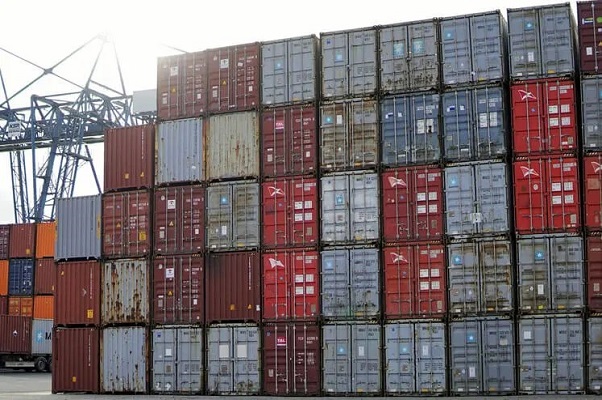
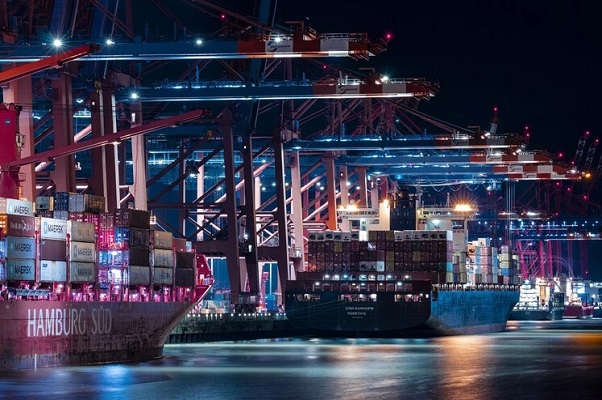
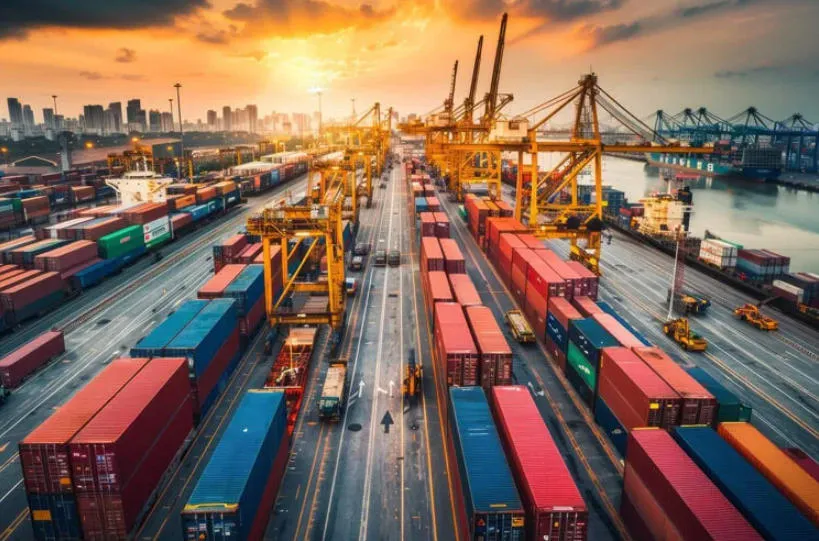
Full Container Load (FCL) shipping involves reserving an entire shipping container from China to Germany for your cargo, typically in 20-feet or 40-feet sizes with payload capacities of approximately 24,000 kg per container, respectively. This method ensures predictable shipping from China to Germany costs with a fixed flat rate per container, offering faster transit times since there's no need for consolidation stops. Reduced handling minimizes the risk of damage, making FCL ideal for high-volume shipments exceeding 20 cubic meters (CBM). It's the preferred choice when your shipment fills at least 75% of a container, contains fragile or high-value goods, prioritizes speed and security over the shipping cost from China to Germany, or involves bulky items like furniture or machinery. For instance, sea freight from China to Germany, such as from Shanghai to Hamburg, typically takes 28-35 days, with the shipping container from China to Germany costing $1,800 to $3,500 for a 20-feet container and $2,800 to $5,000 for a 40-feet container. For seasonal goods, booking 2-3 weeks before peak periods ensure better rates and availability.
Less than Container Load (LCL) shipping allows multiple shippers to share container space, with goods consolidated at the origin and separated at the destination port. Priced per cubic meter (CBM), this method is cost-effective for smaller shipments under 15 CBM, with no minimum size requirement. It suits small businesses, market testing with limited product runs, non-urgent shipments prioritizing China to Germany shipping costs, or infrequent shipments not justifying a full container. However, LCL involves longer transit times—often 50% slower than FCL—due to consolidation, increased handling that raises damage risks, and less predictable schedules due to potential delays at hubs. For example, shipping China to Germany via LCL from Shanghai to Hamburg costs $5-$30 per CBM and takes 35-45 days, making it a budget-friendly option for smaller, less time-sensitive cargo.
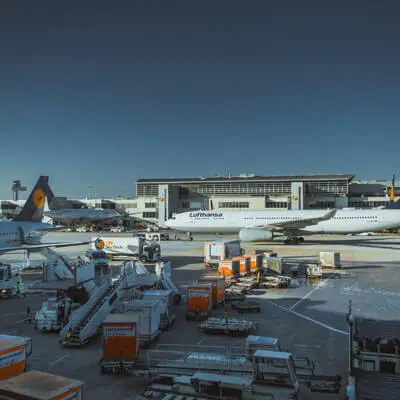
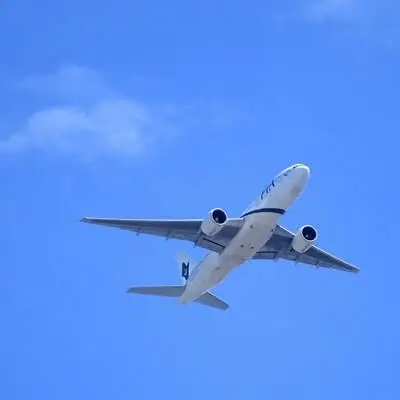
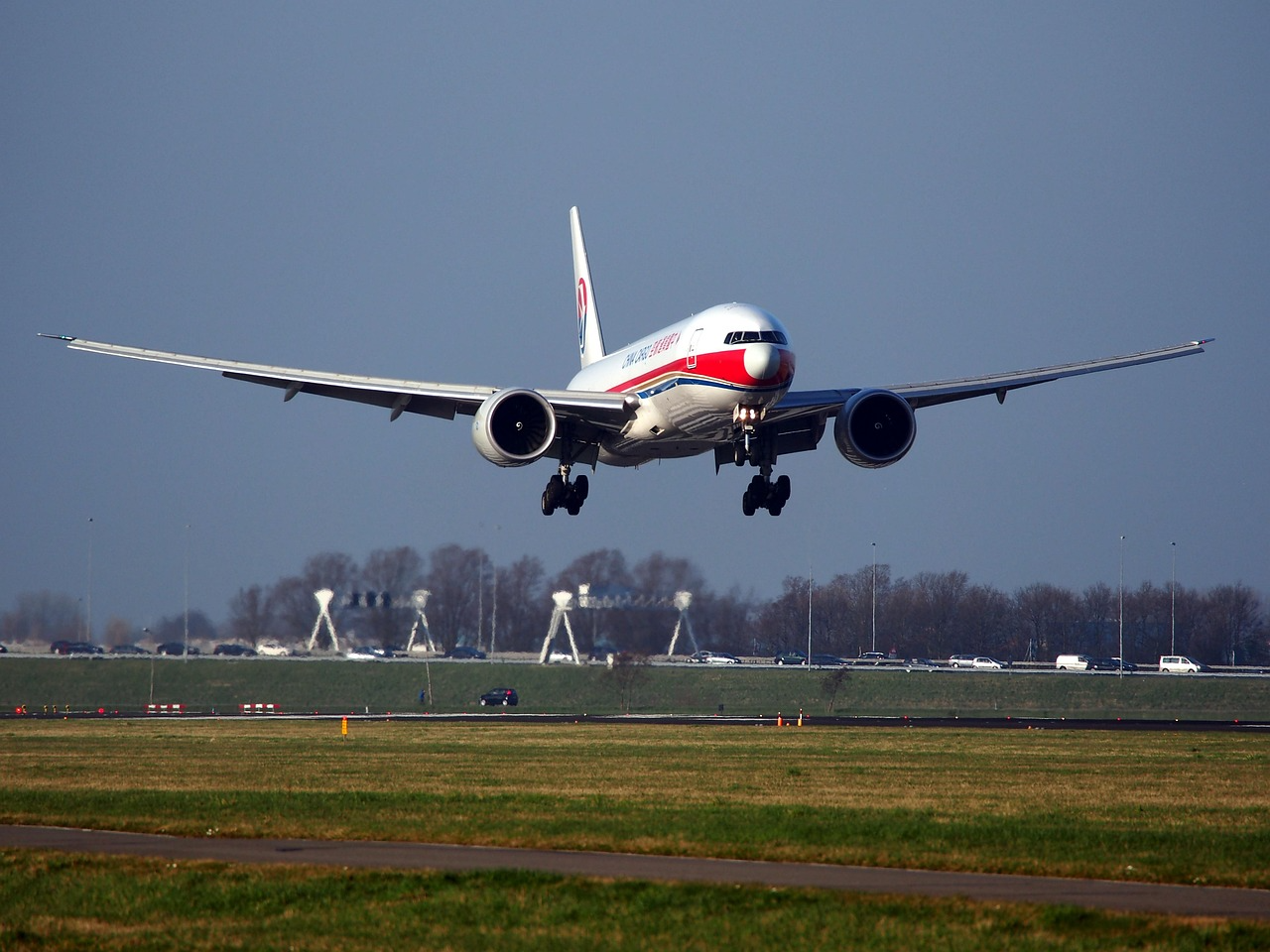
When speed is critical, air freight from China to Germany and express shipping deliver goods in 3-7 days, though the shipping from China to Germany price is three to five times higher than sea freight. Charges are based on dimensional weight—calculated using the higher of volume or gross weight—with restrictions on hazardous materials, batteries, and oversized items. This method excels for urgent spare parts, high-value or low-weight goods like electronics or luxury items, perishable products with short shelf lives, or e-commerce parcels requiring fast delivery to meet customer expectations. For a 100kg shipment (1 CBM) from Shenzhen to Frankfurt, air freight costs $5.00-$15 per kg with a 2-3 day transit, while express shipping ranges from $7-$20 per kg for a 3-5 day transit, compared to LCL's $150 total cost for a 40-day transit. Speed comes at a premium, but it's unmatched for time-sensitive needs when considering China to Germany shipping.
Selecting the best method for shipping from China to Germany hinges on evaluating shipment size, budget, urgency, and product characteristics. Shipments under 1 CBM are best suited for air freight or express shipping due to their speed and efficiency. For shipments between 1 and 15 CBM, comparing LCL and air freight helps balance shipping costs China to Germany and transit time. Shipments exceeding 15 CBM typically favor FCL for its cost-efficiency and minimal handling. Budget-conscious businesses may opt for LCL or FCL for non-urgent goods, while time-sensitive shipments lean toward air freight. A premium LCL option with faster consolidation can bridge the gap between cost and speed. Product type also matters: high-value, low-weight items thrive with air freight, fragile goods benefit from FCL's reduced handling, non-perishable items suit LCL or FCL, and oversized or heavy cargo aligns with FCL.
An e-commerce retailer shipping 0.5 CBM (50kg) of smartphones monthly chose air freight or express shipping to prioritize speed and security, despite higher freight China to Germany shipping cost. This strategy achieved 98% on-time delivery and boosted customer satisfaction by 22%, reinforcing the value of speed for high-demand products. Conversely, a furniture manufacturer shipping 24 CBM of dining sets monthly opted for 40-foot FCL containers, slashing costs by 35% compared to LCL and reducing damage claims by 40% due to less handling. These examples highlight how aligning shipping methods with business needs drives efficiency and customer satisfaction.
Navigating China to Germany shipping logistics demands a strategic approach to balance cost, speed, and reliability. Combining methods—such as air freight for samples and sea freight for China to Germany for bulk production—optimizes efficiency across different needs. Monitoring market trends is key, as rates often surge in the fourth quarter, so booking ocean freight at least eight weeks early secures better pricing. Leveraging tracking systems enhances visibility across all modes, while strong relationships with freight forwarders offering multi-modal solutions streamline operations. By carefully assessing shipment characteristics and comparing quotes across methods, businesses can build a supply chain that's both cost-effective and efficient in a dynamic, ever-changing market.
GOWIN Freight Forwarder provides seamless logistics solutions for shipping from China to Germany, offering sea, air, and rail freight services tailored to businesses of all sizes. With competitive rates and reliable China to Germany shipping time, we handle full container load (FCL), less-than-container load (LCL), and door-to-door shipping options to ensure cost-efficiency and dependability. Through partnerships with major carriers like Maersk, COSCO, and MSC, we facilitate smooth transportation to key German ports such as Hamburg and Bremerhaven. Whether you require express air freight, which takes 1–5 days, or economical ocean freight with a 35–50 day transit, GOWIN delivers transparent pricing, expert customs clearance, and comprehensive supply chain management for a streamlined shipping experience.