+

Each year, thousands of shipments involved in shipping from China to Germany face delays at customs due to errors in paperwork, undeclared items, or missing certifications. These setbacks can lead to lost sales, financial penalties, and dissatisfied customers, particularly for small and medium enterprises and first-time importers. This guide explains Germany's customs requirements, identifies frequent causes of delays, and provides effective strategies to ensure smooth clearance, whether using sea freight China to Germany, air, or express methods, to keep your supply chain on track while managing the shipping cost from China to Germany.
For smooth customs clearance when shipping China to Germany, specific documents are mandatory.
A commercial invoice must clearly detail the shipment's value, product specifics, and Incoterms to avoid discrepancies.
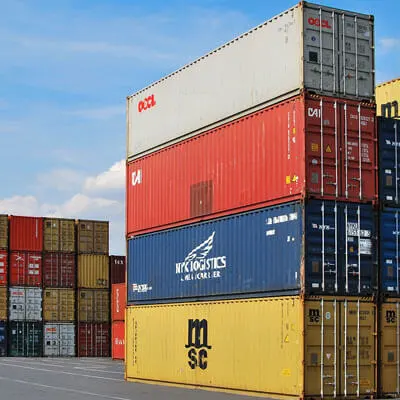
A packing list is required to itemize the contents of a shipping container from China to Germany, including weight and dimensions, ensuring transparency.
A Bill of Lading for sea freight or an Air Waybill for air shipments serves as proof of ownership and the shipping contract.
Additionally, a Certificate of Origin may be needed to claim preferential duty rates under EU trade agreements.
Omitting any of these documents can lead to verification delays by German customs. Harmonized System (HS) codes are critical for calculating import duties and VAT, typically 19% for most goods, and identifying restricted items like food, electronics, or chemicals. Using an incorrect HS code, such as misclassifying lithium batteries as general electronics, often results in detentions and fines, impacting the China to Germany shipping cost. Importers can find accurate HS codes through the EU TARIC database or by consulting their supplier. Furthermore, EU-specific regulations require CE marking for products like electronics, machinery, and toys, alongside compliance with WEEE and RoHS standards for electronic waste and hazardous substances, as well as special taxes like anti-dumping duties on goods such as steel or ceramics.
Incorrect or incomplete paperwork is a leading cause of customs delays in China to Germany shipping. For instance, a German e-commerce seller's shipment may be held if the commercial invoice vaguely lists “Plastic Toy” instead of providing a detailed description, such as “PVC Doll, 20cm, No Batteries.” To prevent this, importers should ensure precise product descriptions in all documentation to streamline freight from China to Germany. Restricted or hazardous goods, such as lithium batteries requiring safety certifications or food and cosmetics needing EU-approved labeling, pose significant challenges. Checking Germany's Federal Office of Consumer Protection (BVL) before shipping can help verify compliance and avoid delays that increase the shipping China to Germany cost. Random inspections, which affect approximately one in four shipments, and peak season backlogs, particularly during the holiday-heavy fourth quarter, can add 3 to 10 days to clearance times. To mitigate these, submitting documents electronically via the EU's Automated Entry System before the shipment arrives and scheduling shipments in the first or third quarters can expedite processing and reduce delays in shipping from China to Germany.
To minimize customs delays when arranging to ship from China to Germany, thoroughly reviewing all documents before shipping is essential. A freight forwarder or customs broker can verify correct HS codes, accurate value declarations, and compliance with CE marking and safety standards for regulated products, ensuring error-free submissions. Partnering with a freight forwarder experienced in China-to-Germany routes can streamline the process, as they can handle customs filings and navigate specific clearance rules for services like DHL, UPS, or major ports, helping control the shipping from China to Germany price. When selecting a forwarder, inquire about their success rate with German customs to ensure reliability. Opting for Delivered Duty Paid (DDP) shipping is another effective strategy, particularly for beginners, as it shifts the responsibility of paying duties and taxes to the supplier or forwarder, eliminating surprise fees and simplifying VAT logistics, thus reducing the overall shipping costs China Germany.
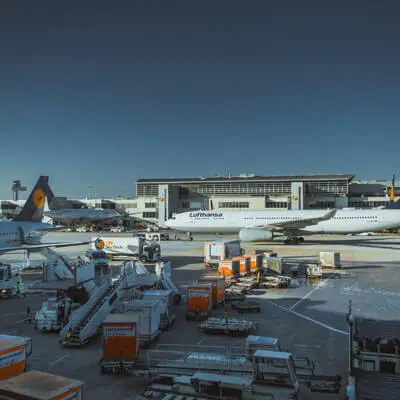
A Berlin-based retailer faced a 14-day delay at Frankfurt Airport due to errors in their shipment documentation for freight from China to Germany. The HS code for “Cotton T-shirts” was incorrectly listed, and the commercial invoice failed to specify the material composition, such as 100% cotton versus a blend. The issue was resolved by the freight forwarder, who submitted corrected documents within 24 hours, and a customs broker expedited re-inspection to minimize detention fees, which helped manage the China to Germany shipping time and cost. This case underscores the importance of meticulously verifying HS codes and providing detailed documentation before shipping to avoid costly delays.
Importers can access valuable tools to facilitate smooth customs clearance for shipping China to Germany. The German Customs (Zoll) Official Portal provides comprehensive guidance on import procedures. The EU Trade Tariff Lookup Tool, available through the EU's taxation and customs website, helps identify accurate HS codes. Additionally, resources like freight forwarder checklists offer practical steps to ensure compliance and streamline the shipping process, minimizing the shipping China to Germany cost.
Achieving seamless customs clearance for shipping from China to Germany hinges on flawless documentation, particularly commercial invoices and HS codes, which must be accurate to avoid delays. Extra scrutiny is needed for restricted items like batteries, food, and electronics, which require specific certifications or labeling to comply with regulations and manage the China to Germany shipping cost. Leveraging the expertise of freight forwarders and utilizing pre-clearance processes can reduce delays by more than half, ensuring a more efficient and reliable experience when shipping from China to Germany.
GOWIN Logistics facilitates efficient shipping from China to Germany, offering ocean freight with a 39–45 day transit, air freight delivered in 1–5 days, and rail transport completed in 20–30 days. As a top-rated shipping agent in China, we provide real-time pricing, such as $5.60 per kilogram for air cargo and $3,500 per 20-foot container for FCL, alongside tailored door-to-door solutions. Our team expertly handles customs, documentation, and cargo tracking, making us ideal for both urgent and bulk shipments. Whether delivering to Leipzig via rail or Bremerhaven by sea, GOWIN ensures punctuality and cost savings. Request a live quote today for customized logistics support.