+

Shipping furniture from China to Belgium is a multifaceted process that demands meticulous planning to balance costs and ensure safe delivery. Furniture, often bulky and delicate, requires specialized handling to prevent damage during transit, making logistics a pivotal aspect of the operation. By mastering the cost factors, exploring available shipping options, and applying best practices, importers can streamline their processes to achieve cost-efficient and reliable delivery. This comprehensive guide delves into the nuances of shipping from China to Belgium, providing actionable strategies to minimize the shipping cost from China to Belgium while preserving the quality and safety of your furniture.
The cost of shipping furniture from China to Belgium comprises multiple elements, each shaped by the unique properties of furniture and the intricacies of international logistics. These include transportation fees, customs duties, taxes, and insurance, all of which significantly influence the overall budget for freight from China to Belgium.
The primary factor driving transportation costs is the volume and weight of the furniture. Large items like sofas, dining tables, or wardrobes occupy substantial container space, escalating expenses. Choosing specialized containers, such as dry vans or flat-rack containers for oversized pieces, ensures secure packing but incurs higher costs compared to standard containers. However, optimizing container space by arranging furniture to maximize capacity can reduce the cost per item, making shipping China to Belgium more economical. For smaller shipments, less-than-container-load (LCL) options can be a practical choice, though they require careful coordination to avoid delays or additional handling fees.
Customs duties and taxes are critical considerations when importing furniture into Belgium. These charges vary depending on the type of furniture, its declared value, and the regulatory frameworks of both China and Belgium. For example, wooden furniture may attract different tariffs than upholstered items, and high-value or antique pieces could face elevated duties. Belgium's import regulations also impose a value-added tax (VAT), typically calculated using the Cost, Insurance, and Freight (CIF) method, which combines the value of the goods with the shipping cost from China to Belgium. To prevent unexpected expenses, importers should collaborate with customs brokers or freight forwarders to clarify duty rates and ensure compliance with documentation, such as commercial invoices and packing lists.
Given furniture's vulnerability to damage during long-distance transit, insurance is an essential component of the cost structure. Comprehensive cargo insurance safeguards against risks like scratches, dents, or breakage, which are common with delicate items such as glass-top tables or upholstered chairs. The cost of insurance depends on the furniture's declared value and the chosen coverage level. While it increases the upfront cost of shipping from China to Belgium, insurance offers financial protection and peace of mind, ensuring that any losses during transit are mitigated.
Achieving cost-efficient freight from China to Belgium requires strategic planning and informed decision-making. The following practices enable importers to reduce expenses while ensuring their furniture arrives in excellent condition.
Effective packaging is crucial for protecting furniture during transit and can also contribute to cost savings. Investing in high-quality, reusable packaging materials, such as sturdy wooden crates or padded wraps, ensures furniture remains secure and minimizes damage risks. Unlike disposable packaging, reusable options can be returned to suppliers for future shipments, lowering long-term costs for shipping China to Belgium. Additionally, eco-friendly packaging aligns with sustainable practices, appealing to environmentally conscious consumers and potentially reducing waste disposal fees.
Establishing strong relationships with shipping providers is a key strategy for securing favorable rates for freight from China to Belgium. Importers who regularly ship furniture can leverage their consistent business to negotiate volume discounts or preferential terms with freight forwarders and carriers. Long-term partnerships build trust and may unlock benefits like priority scheduling or flexible payment terms. By comparing quotes from multiple providers and addressing specific needs, such as handling requirements for fragile furniture, importers can significantly reduce the shipping cost from China to Belgium.
For businesses importing smaller quantities of furniture, consolidating shipments with other consignments is an effective way to lower the cost of shipping from China to Belgium. By combining multiple orders into a single container, importers share the cost of container space, reducing the expense per shipment. This approach, known as less-than-container-load (LCL) shipping, maintains the efficiency of full container loads (FCL) while being more affordable for smaller businesses or one-time importers. Partnering with reliable freight forwarders ensures seamless consolidation and minimizes delays.
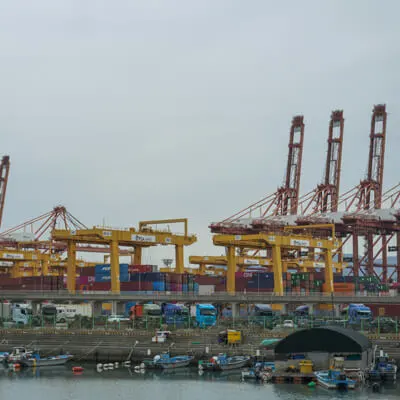
Selecting an efficient and cost-effective port in Belgium is vital for managing logistics and reducing expenses for shipping from China to Belgium. Ports like Antwerp and Zeebrugge are renowned for their advanced infrastructure, competitive tariffs, and streamlined customs processes, making them ideal for furniture imports. Antwerp, a major logistics hub, offers robust connections to inland transport networks, which can reduce transit times and costs. By evaluating port fees, proximity to final destinations, and customs efficiency, importers can optimize their logistics strategy and achieve significant savings.
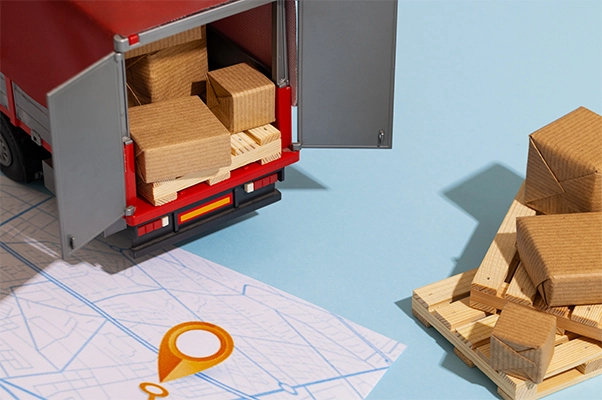
Once furniture arrives at a Belgian port, inland transportation to warehouses or retail locations can significantly impact the overall budget. Opting for domestic freight services with fixed or predictable pricing helps control these expenses for freight from China to Belgium. Consolidated pickup services, where multiple shipments are combined for delivery, further reduce costs by distributing expenses across several importers. Partnering with local logistics providers offering efficient routing and reliable delivery schedules ensures furniture reaches its final destination cost-effectively and without delays.
Utilizing digital tools and real-time tracking systems enhances cost efficiency by improving transparency and coordination in the shipping process. Many freight forwarders provide online platforms that allow importers to monitor shipments, estimate the shipping cost from China to Belgium, and manage documentation. Real-time tracking helps address issues like port congestion or customs delays before they escalate into costly problems. These tools also support inventory and delivery planning, ensuring furniture arrives in Belgium on time and within budget.
Shipping furniture from China to Belgium demands careful attention to cost factors, logistics, and handling to ensure affordability and quality. By optimizing packaging, negotiating with carriers, consolidating shipments, selecting efficient ports, utilizing domestic freight, and leveraging technology, importers can significantly reduce the cost of shipping from China to Belgium while ensuring safe delivery. Thorough planning and proactive engagement with logistics partners are essential for streamlining operations and achieving cost-effective outcomes. With these strategies, businesses can navigate the complexities of international shipping and thrive in the competitive furniture import market.